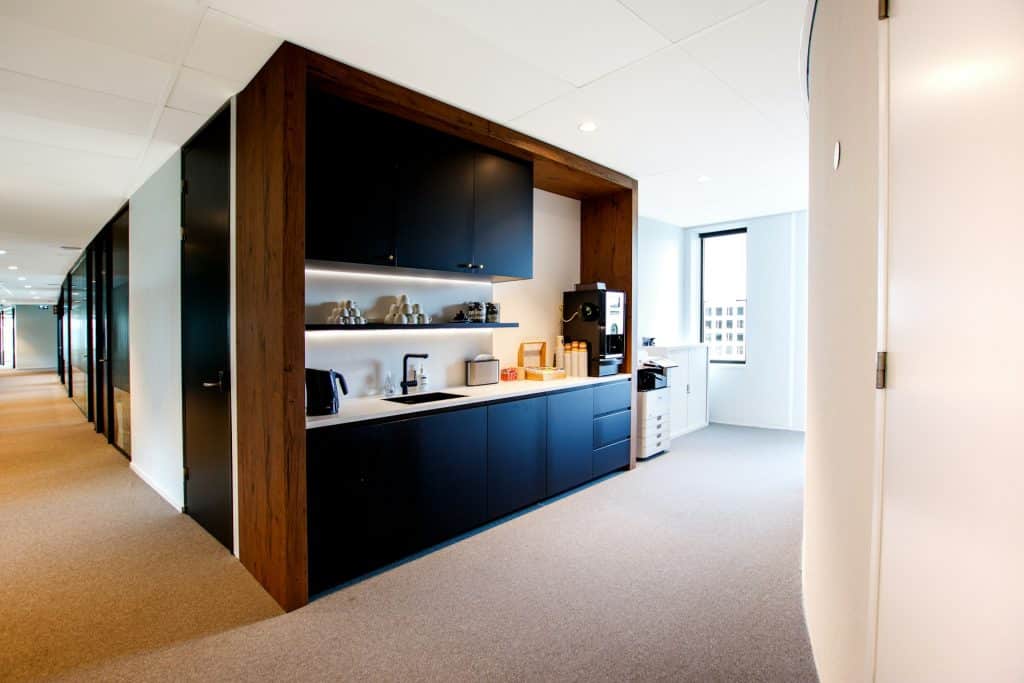
Shared office kitchens can be great, but keeping them clean is a different story. With everyone using the space throughout the day, mess builds up faster than you’d think. From dirty dishes left behind to food spills that get ignored, it doesn’t take long before the kitchen starts looking and smelling like it’s past its best. Whether it’s a team of five or fifty, shared kitchens rely on everyone doing their part. Yet, the truth is daily tasks often get put off or completely overlooked.
By springtime in Newcastle, the warmer weather makes food smells linger longer and pest problems more likely. That’s when a dirty kitchen turns from frustrating to an actual issue that can affect your whole workspace. Even small things like overflowing bins or sticky benches can make the place feel unhygienic and unpleasant. A clean and tidy kitchen helps keep things running smoothly and gives everyone peace of mind during their breaks. Let’s look at some of the most common cleaning challenges and how things can improve with just a few changes.
Common Shared Kitchen Cleaning Issues
When you’ve got a team using one space, chances are not everyone follows the same level of cleanliness. That’s where shared kitchens often run into trouble. People get busy, forgetful, or just assume someone else will clean up.
Some of the most common issues pop up again and again:
– Leftover food in the fridge for far too long
– Coffee cups and dishes left in the sink
– Sticky or greasy surfaces, especially around microwaves or appliances
– Food crumbs on benches and floors
– Rubbish piling up without being taken out
– Dirty tea towels and sponges that get reused too often
It might not seem like a big deal at first, but these small problems build up fast. A smelly fridge or bin, bugs in the kitchen, and dodgy-looking surfaces can make people avoid using the space altogether. That’s not good for anyone’s morale and can even affect how clean the rest of the office stays.
One example that comes to mind is a workplace where someone left takeaway leftovers in the fridge for over a week. No one took responsibility and it ended up attracting cockroaches. Not only did it force a big fridge clean-out, but the whole kitchen also needed to be scrubbed and disinfected properly. Simple oversight, but with a big outcome.
When this kind of thing happens often, it causes tension among staff. People start putting up passive-aggressive notes or avoiding the kitchen entirely. Before long, the workplace vibe takes a hit, all because of mess that could’ve been managed with a bit more structure.
Effective Cleaning Strategies For Shared Kitchens
Keeping a shared kitchen clean doesn’t have to be complicated. A few clear habits and shared rules can make a big difference. It’s all about finding ways to get everyone on the same page and cutting down the chances for build-up across the week.
Some cleaning strategies that actually work:
1. Assign light daily responsibilities – Rotate small tasks like wiping surfaces, checking the bin, or putting clean dishes away.
2. Use simple signage – Reminders like “wipe your splash” or “empty fridge every Friday” act as visual cues without anyone needing to nag.
3. Clean as you go – Easy to say but it really works when practised. Encourage people to rinse and stack dishes immediately or clean up crumbs they’ve made.
4. Schedule regular deep cleans – A bigger scrub of the fridge, microwave, and cupboards should happen weekly or fortnightly depending on how much traffic the kitchen gets.
5. Keep supplies stocked – Dishwashing liquid, sponges, paper towels, bin liners, and hand wash should always be available.
The trick is not relying on just one person or waiting until it becomes noticeable. If cleaning becomes part of the workplace rhythm, people are more likely to pitch in without being asked. Setting up a shared roster or gentle reminders within the team helps avoid awkward confrontations and keeps the space usable all the time. When staff care about where they eat and prep food, they’ll begin to treat it with more respect.
Role Of Professional Cleaning Services
Even with good habits and helpful signage, shared kitchens can still get out of control. That’s because people aren’t always consistent, and even the best team can fall short when work gets busy. That’s where bringing in professional cleaning makes a big difference. It’s not about replacing the team’s effort, it’s about supporting it so no one has to deal with the negatives of a neglected kitchen.
Professional cleaners know exactly where grime tends to build up and how quickly things can spiral if it’s left. Commercial kitchens aren’t the only ones that need attention. Office kitchens see daily use too, which means food spills, bin overflows and bacteria have more chances to spread. A regular deep clean can go a long way in keeping things under control. Hard-to-reach places, like behind appliances or inside rangehoods, also get the attention they deserve.
Having scheduled cleaning, say two or three times a week, means no frantic tidy-ups before meetings or inspections. More importantly, it lifts the pressure off staff who already have work on their plate. When people don’t have to stress about whether the kitchen is safe, clean or usable, they’ll actually enjoy using the space again.
Professional services also come with their own supplies, trained teams, and checklists that don’t skip the details. That consistency is hard to match with internal rosters or good intentions alone. Even if you’ve got a system in place, it’s worth backing it up with regular service to keep things on track, especially in places like Newcastle where warmer months can speed up mould, food rot and pest problems.
Creating A Cleaning-Friendly Culture At Work
A clean kitchen isn’t just nice to have. It influences how people behave and interact at work. When the space feels looked after, staff are much more likely to show respect and keep it that way. But building that kind of culture takes more than a few signs taped to the fridge.
If you want the team to play their part, don’t just tell them how. Make it something they feel part of. People need to understand the why before they’ll care about the what. Framing it as everyone contributing to something shared can help break the idea that cleaning is someone else’s job. It also avoids finger-pointing or awkward back-and-forth about who last wiped down the bench.
Here’s what makes a difference:
– Start kitchen talks during team onboarding or meetings
– Set clear rules but keep them simple and visible
– Lead by example. If managers rinse their cups and bin their rubbish, others will follow
– Recognise people when they take initiative, even if it’s just a quick thanks
– Keep feedback friendly. Use humour or light reminders instead of harsh notes
One workplace gave a fun spin to kitchen duties by turning it into a rotating kitchen captain role. That person wasn’t the cleaner but kept an eye on supplies and gently reminded others if things were being missed. It gave just enough structure without making it feel chore-like or forced.
In the end, it’s not perfection you’re aiming for, just consistency. When most people stick to the basics, the space feels manageable. That’s usually enough to stop mess and annoyance before they take over.
Keep Your Office Kitchen Sparkling with Our Help
A shared kitchen might not be the first thing people think of when talking about workplace wellbeing, but it plays a bigger part than most realise. It’s where people eat, talk, and take a break, and those things need a clean and inviting space to happen properly.
Ignoring the kitchen usually backfires. It can lead to hygiene issues, tension between staff, and bad smells that drift through open-plan work areas. In a place like Newcastle, spring and summer only speed those issues up with warmer air and longer days.
Putting clear strategies in place, getting everyone involved and backing things up with professional help gives you the best chance of avoiding those mess-related headaches. When cleaning becomes easy, consistent and shared, the kitchen stays usable, no matter how many people come through during the day.
Clean, tidy and functional. Those three words go a long way toward keeping any office kitchen running well. And when the kitchen’s looked after, it often sets the tone for the rest of the workplace. A simple fix like this can go a long way in boosting morale and keeping distractions to a minimum.
Having a tidy kitchen in your office can really lift everyone’s spirits and make the workday a little smoother. By sticking to clear routines and supporting them with professional help, you can avoid the hassle of a messy kitchen. If you’re looking for reliable support with office cleaning in Newcastle, City and Regional Cleaning Services is here to help keep your space fresh, functional and ready for every breaktime.