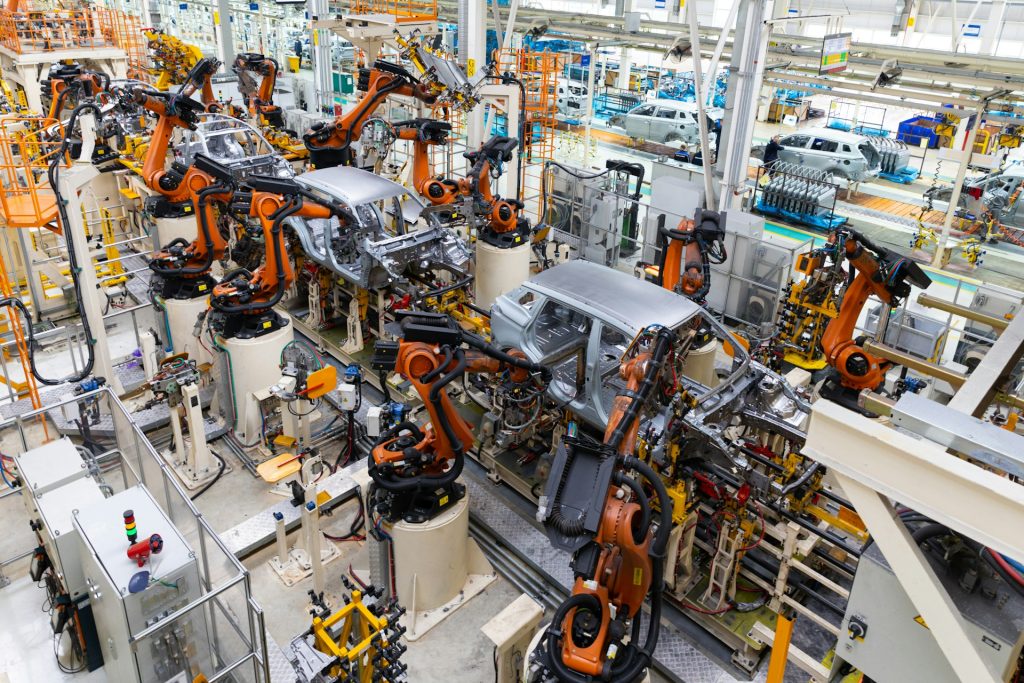
Summer in the Hunter Region can make industrial cleaning that much harder. Heat builds inside large sheds and warehouses, inviting dust and grime to settle into every open surface. The air gets dry, movement kicks up particles into corners and ceilings, and before long, the space feels heavier and less clean than it should.
Industrial cleaning in the Hunter Region is different in summer for a few reasons. The heat isn’t just uncomfortable; it changes the way dirt behaves. Fumes can linger longer, thick grime bakes into floors faster, and smells build more quickly in waste areas. Throughout the summer, we take a closer look at how each industrial site works so we can respond before small issues become bigger ones.
Preparing Facilities for Summer-Specific Cleaning Needs
Once the weather starts heating up, we begin by reassessing the layout and routine of each site. A fresh walk-through helps us pick up new patterns. Airflow shifts with open roller doors or fans that run longer hours. High-traffic spaces like production floors, staff break rooms, and loading bays get more use during longer summer working hours.
We look for these signs:
• Heat-heavy zones where staff work longer hours
• Storage areas with less airflow, often holding on to dust or smells
• Outdated cleaning schedules that no longer match how the site is being used
By revisiting cleaning checklists now, we make room for changes before summer is at its peak. That makes it easier to phase in extra work where it’s needed, instead of reacting to problems too late. A well-timed adjustment can prevent big messes from building up.
Handling Dust, Debris, and Build-up from Dry Weather
Dry weather does more than dry out the air; it spreads dust across surfaces fast. In wide industrial spaces with high ceilings or exposed beams, that dust builds where it’s hard to reach. Add to that the constant in-and-out movement of people and machinery, and it becomes easy for debris to settle where it shouldn’t.
To manage this buildup, we:
• Increase dusting on high ledges, beams, and machinery mountings
• Adjust our tools and vacuum filters to deal with finer airborne particles
• Pay extra attention to floor edges and corners where debris tends to pile
Open delivery bays and external workspaces deserve extra steps too. These areas pull in dust from nearby roadways, storage yards, and parking zones. By stepping up cleaning here, we stop that dirt from travelling deeper into the site. It’s also important to do regular checks in areas just inside entrances and exits, as these can become hotspots for dust collection.
Managing Hard Floors, Grime, and High-Use Surfaces
Floor cleaning gets more complicated in the heat. Summer dries everything faster, which might sound helpful at first, but often works against us. Once a stain or oily mark has baked into concrete or epoxy flooring, it takes more effort to remove. This is especially true along machinery lines, walkways, or loading areas.
Our approach includes:
• Targeted chemicals that loosen grime without spreading it
• Frequent mopping and scrubbing on shared passageways and workstations
• Spot-cleaning between larger jobs to avoid too much build-up in one place
Shared equipment, storage shelving, and touchpoints like switches or handles all become quick targets for grime in heat-heavy environments. By giving these surfaces more regular wipes, we keep things feeling cleaner for staff and reduce long-term wear. Regular touchpoints like door handles or control centers also see more use in summer and can benefit from quick, consistent cleaning.
Waste and Odour Control Through the Summer Heat
Hot weather speeds up the way smells form. Bin rooms, compactors, or food waste zones shift from manageable to unpleasant quickly when ventilation isn’t great. If bins don’t get emptied often enough, or if sticky spills dry before they’re wiped, we start to lose control of odours.
To get ahead of this, we:
• Shift waste removal to earlier or cooler times of day
• Keep lids shut and bin surfaces clean to catch leaks before they dry
• Encourage brief ventilation bursts in enclosed waste rooms, when safe to do so
Odour problems often start small. A sticky floor patch under a bin or a slow-draining sink can become a bigger concern if not managed early. We look out for these early signs so we can respond quickly. Ensuring liners are replaced before they begin to tear or slip down the inside of the bin is a simple but helpful habit.
Lunchrooms need special mention, too. In many industrial sites, shared fridges, bins, and microwaves see harder use through summer when staff try to stay inside or store more cold drinks and snacks. Regular touch-up cleans keep things from getting out of hand. Places like kitchen sinks and the areas around lunchroom bins can attract smelly spills; staying on top of these is just as important as cleaning the bins themselves.
Adjusting Schedules and Approaches Based on Location and Site Type
No two sites are the same across the Hunter Region. What works for a central warehouse may not suit a rural factory. Edge-of-town locations can see more windblown dust or bush debris, especially near dirt roads. Others may stay cooler but have tighter, less-ventilated areas that trap odour and moisture longer.
Some things we change depending on the site:
• Frequency and type of cleaning in outdoor-adjacent zones
• Time of day we clean, depending on how hot each site gets mid-afternoon
• Special areas like chemical stores or cold storage need controlled routines
Knowing what each location picks up during summer helps shape smarter routines. We keep the plans flexible, always with the idea that some days look different from others in terms of wind, temperature, and site activity. For example, if a period of higher winds is expected, we might schedule a deeper clean of entry points and ventilation grilles in advance.
We also review how production changes during the summer, since some businesses ramp up output or shift hours to take advantage of daylight. These changes can bring more dust or extra wear on certain pathways, so we keep our approach nimble to respond as needed.
Staying Ahead of Summer Problems Before They Take Hold
Summer stretches in the Hunter Region can lead to extra work if we don’t prepare properly. Dust, grime, smells, and general mess all happen quickly than other times of the year. But with the right mix of attention and flexibility, it’s possible to stay ahead of most of it.
Whether it’s adjusting what time bins get cleaned or shifting how we approach floor care, planning for summer early sets us up for fewer complaints and easier site maintenance overall. The goal is always the same: keep industrial spaces safe, comfortable, and in good working order through the heat. Anticipating trouble spots now saves time and stress later in the season.
For new staff or contractors coming in, it helps to provide a simple summary of the site’s summer-specific cleaning rules. This way, everyone is on the same page about what gets priority and what needs more care.
To keep your industrial site in top condition during the toughest months, rely on City and Regional Cleaning Services. Our expertise in industrial cleaning in the Hunter Region ensures a clean, efficient environment that’s tailored to withstand the summer heat and dust.
By addressing heat-specific cleaning challenges early, we help maintain seamless operations and spotless facilities. Contact us today to discuss a customized cleaning plan that meets your unique industrial requirements.