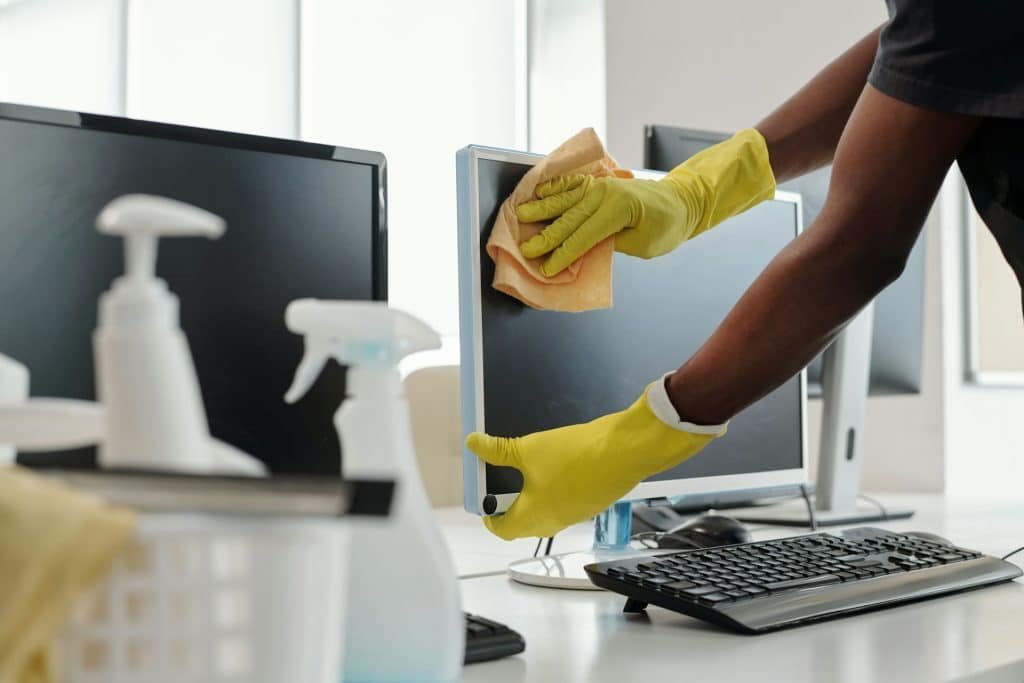
Common office spaces are full of shared items and surfaces that people touch throughout the day without thinking twice. Whether it’s a fridge handle in the lunchroom or the elevator button on the way up to your floor, these contact points can build up germs quickly if they’re not on a solid cleaning schedule. When employees work in close quarters, it doesn’t take much for bacteria and viruses to travel across desks, door handles and even light switches.
Towards the end of spring in Newcastle, when the temperature begins to rise and windows are thrown open again, it’s still important to maintain vigilance against germs that thrive indoors. Even though the cold season may be behind us, shared spaces continue to need care. Keeping high-touch office areas clean makes a big difference in employee comfort, health and productivity, no matter the time of year.
Understanding High-Touch Areas In Offices
High-touch areas are parts of the office that are touched often by several people every day. These surfaces tend to collect dirt, oils and a buildup of germs throughout work hours, especially in workplaces with higher foot traffic or shared tools and facilities.
Some of the most common high-touch office surfaces include:
– Door handles, including both public and private rooms
– Shared keyboards, mice and phones
– Lift buttons and handrails
– Light switches
– Fridge doors, microwave handles and tap faucets in kitchenettes
– Printer and copier buttons
– Desks and armrests in shared meeting rooms
Identifying these areas is the first step in reducing the chance of illnesses spreading through teams. Even desks that are only occupied by one person can carry a surprising number of germs if not cleaned regularly, especially since people often eat and drink at their workstations.
Training staff to be more mindful about which surfaces get touched frequently helps build a stronger awareness around hygiene. Once teams have a better sense of the risky spots, businesses can create more focused cleaning routines around them, either internally or with professional support. This proactive approach helps reduce the spread of common cold and flu germs that often linger in shared spaces.
Common Germs Found On Office Surfaces
Office surfaces may look clean, but they’re often home to hidden germs. Desks, break rooms and shared tech are all hotspots. With people using the same keyboards, door handles and kitchen gear, germs can move around easily, especially if staff are eating at desks or forgetting to wash hands after sneezing or coughing.
Some of the common germs found on shared office items include:
– Bacteria like E. coli or Staphylococcus
– Viruses including those that cause colds, flu and stomach bugs
– Fungi and mould spores from moisture-prone areas such as around kitchen sinks
These germs make their way across surfaces through skin contact, coughing, sneezing and even placing personal items like bags and mobile phones on desks. For example, someone could make a cup of coffee after blowing their nose, then leave unseen germs behind on the kettle handle or cupboard knob.
It’s not just about hygiene. These germs can cause issues with employee attendance and productivity, as even mild illness can affect someone’s ability to focus or meet deadlines. Some team members may pass on a cold without ever showing symptoms themselves, which makes routine cleaning that much more important. Keeping these shared spots disinfected acts as a layer of protection, stopping the cycle of passing bugs from one desk to another.
Effective Disinfection Practices For Offices
Once you’ve identified where the most common contact points are, the next step is staying on top of cleaning them. Disinfection isn’t about making a place look clean. It’s about properly wiping out germs, especially in shared zones. A quick wipe with a tissue won’t do the trick. The right products and consistent cleaning make a big difference in stopping illness from spreading through the office.
To make sure cleaning gets results, consider these basic practices:
– Frequency matters: High-touch surfaces should be cleaned more than once a day, preferably after peak usage times like mid-morning or after lunch breaks
– Use proper cleaners: Choose disinfectants that are safe for the surface but strong enough to kill common viruses and bacteria. Avoid multi-purpose sprays that focus too much on scent or shine. Read the label and follow the dwell time if one is listed
– Pay attention to technique: Give the product time to sit before wiping it off. Wiping too soon can make cleaning less effective
– Don’t forget the overlooked spots: People tend to skip edges, corners and buttons. Pay close attention to door fronts, chair armrests, buttons under desks and touch screens
Some staff may assume that if a surface looks clean, it’s safe. But the areas that appear tidy can still carry bacteria. Keyboard keys, for instance, get plenty of finger contact but rarely get wiped. The same goes for light switches and fridge handles in the staff kitchen.
Building the habit of proper cleaning is easier when everyone understands why it matters. Hygienic habits across the team help create a culture where no one feels awkward about cleaning a surface or asking for it to be cleaned more often.
Creating A Disinfection Routine For Office Spaces
Whether your office is small and tight-knit or spread across multiple rooms and floors, having a routine takes the guesswork out of managing hygiene. The best routines are built on consistency, clarity and follow-through.
Start by developing a structured cleaning schedule. Identify which surfaces need to be cleaned, how often and by whom. Most workspaces benefit from a mixed approach. That might mean staff regularly wiping down their desks while a dedicated team focuses on common areas. Keep it simple enough to follow, but clear enough that no jobs are missed.
Training is another key piece. Everyone should understand the proper way to disinfect surfaces, not just clean them. For example, pushing a wet cloth around isn’t the same as using the right amount of disinfectant and letting it dry properly. A short training session can help explain the difference.
You’re also more likely to see long-term hygiene success if someone checks in on the cleaning routine. This doesn’t need to be a micromanaged process. A simple weekly checklist or report can help track whether standards are being followed and highlight any areas that need improvement.
An effective office disinfection plan in Newcastle doesn’t need to be complicated. It just needs to be steady and properly carried out. When everyone is on the same page, hygiene becomes a natural part of the workday.
Why Professional Disinfection Services Make A Difference
Even with team effort and good habits, there are limits to what in-house routines can achieve. Offices with shared spaces, high traffic or lots of meetings often miss areas just because people are busy. That’s where expert help can really make a difference.
Professional disinfection services step in with trained eyes and tested tools. They know what to look for, how to clean correctly and which treatments work best on different surfaces. Having that knowledge means they get results without damaging materials or wasting time.
Here’s what professional disinfection can offer:
– A deeper clean, especially for hard-to-reach areas or stubborn build-up
– Confidence that shared contact points are being sanitised properly
– Extra support during busy times or illness cycles
– Peace of mind for staff who want a healthier workplace
For offices across the Hunter Region, bringing in outside help with cleaning isn’t just convenient. It’s also a smart way to get ahead of health concerns without putting extra pressure on your internal team. Access to better products and more thorough methods helps tackle cleaning tasks that might get skipped otherwise.
Keep Your Office Safe and Germ-Free
Germs are easy to ignore until they start affecting your team. That’s why high-touch surfaces shouldn’t be a second thought. Cleaning smarter and more often is the best way to keep office spaces healthier overall. It starts with knowing where germs tend to gather, using the right method to clean them, and keeping a regular routine going.
Newcastle offices benefit when hygiene becomes a daily habit, not just a checklist. Even simple actions like leaving notes for wiping down equipment or making cleaning supplies more accessible can make staff feel more supported. It’s not about being perfect. It’s about staying consistent and getting the right help when you need it.
Keep your Newcastle office environment healthy and spotless by counting on expert support. Discover the benefits of disinfection services in the Hunter Region offered by City and Regional Cleaning Services. With our experience and attention to detail, we’ll help maintain a clean, welcoming workplace. Explore how we can support your hygiene goals and keep your workspace fresh day after day.