Strata buildings are shared spaces, which means the health and wellbeing of one resident can affect everyone else living there. Ongoing cleaning and upkeep aren’t just about appearances. They’re part of a larger effort to protect anyone who passes through the building – residents, guests, maintenance workers, and delivery drivers alike.
When standards slip, problems tend to show up fast. Think of blocked ventilation leading to stale air or heavy grime building up near shared bin rooms. These small details make a difference over time. Staying on top of cleanliness is part of meeting the health codes that help keep strata properties safe and functioning properly.
Understanding Strata Building Health Regulations
Strata properties in the Hunter Region follow a mix of state and local health regulations. These rules help ensure buildings stay clean, livable, and safe, and they’re designed with all users of the space in mind – from residents to maintenance teams and visitors.
The guidelines generally cover:
– Ventilation and airflow
– Waste handling and bin storage
– Moisture control and mould prevention
– Shared spaces like gyms, pools, and laundries
– Pest management
– General hygiene and surface cleanliness
Poor upkeep in any of these areas can trigger complaints, demands for corrective action or even fines. For example, a bin area that smells or has overflowing waste may not just frustrate residents – it might also prompt attention from local inspectors. That’s why it’s important for strata managers to stay ahead with cleaning routines that target all areas covered under these regulations.
Key Areas To Focus On For Compliance
Different common areas in a strata property come with their own set of hygiene risks. By focusing cleaning efforts where they matter most, building managers and committees can better prevent issues and stay clear of penalties and complaints.
Here are the areas that usually need the most attention:
– Entryways and lobbies: These see the most foot traffic and contact. Fingerprints on lift buttons, dirt tracked into tiled floors, and debris near entry mats all build up fast. Regular disinfection of door handles, handrails, reception desks, and intercom panels helps slow germ spreading.
– Corridors and stairwells: Dust, cobwebs, and marks on walls or handrails can appear quickly, especially in poorly ventilated or dimly-lit areas. Regular vacuuming, wiping, and dusting can make a big difference.
– Shared bins and waste rooms: These are hotspots for bacteria if not maintained. Floors should be mopped with disinfectant, the bins themselves cleaned inside and out, and walls or door handles wiped down.
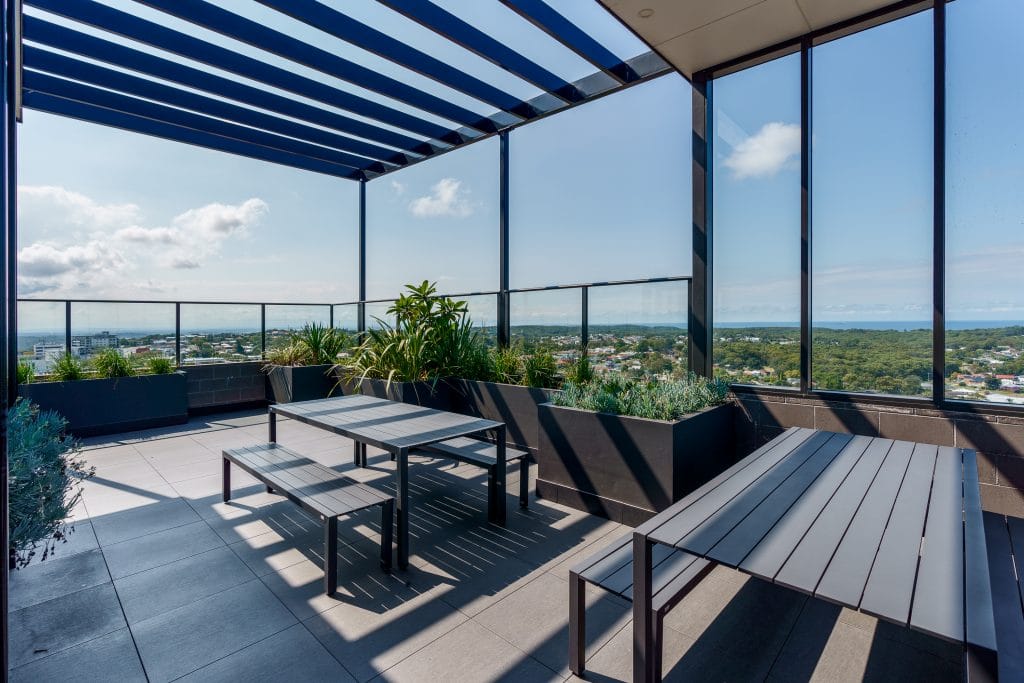
– Shared gyms or recreation areas: Gym equipment must be sanitised, especially touchpoints like handles, weights, and padding. Communal lounges or rooftops also need surface and furniture cleaning.
– Laundry rooms: Wet floors, buildup from detergents, and dryer lint are common in these areas. Cleaning machines, benches, and floors helps minimise both safety and hygiene issues.
– Pools and saunas: These high-humidity areas need more than just surface cleaning. Keeping tiles free from slime or mildew, wiping down changing rooms, and maintaining air quality are all important.
Knowing that these areas are being regularly cleaned gives residents confidence and reinforces the sense that the building is handled with care.
The Role Of Professional Cleaning Services
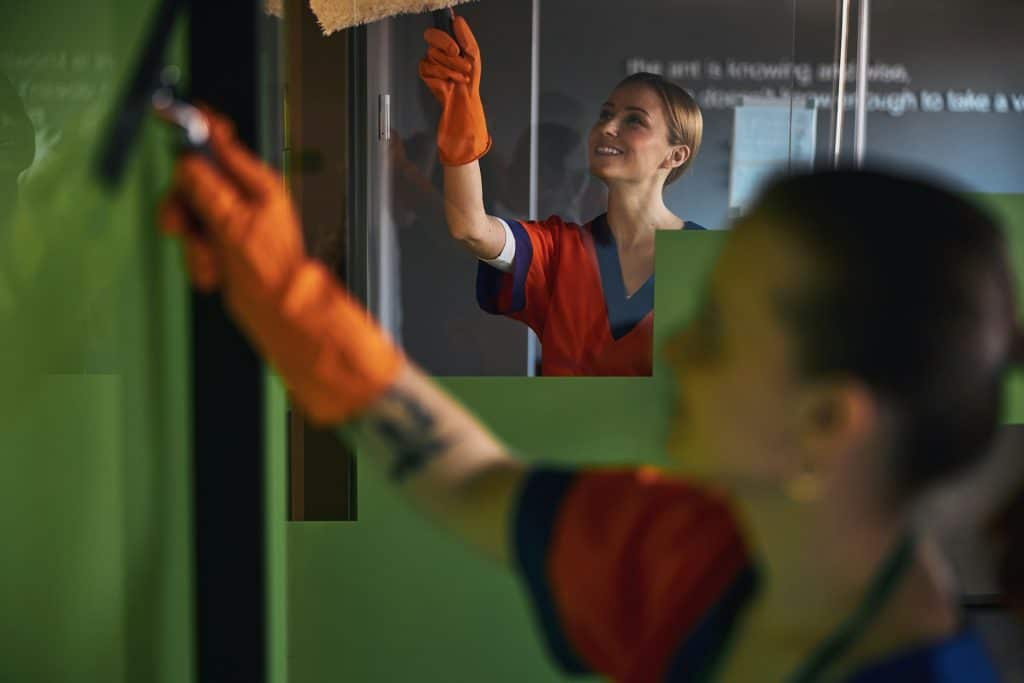
Cleaning a strata building is different to a regular clean of a home or commercial space. Shared facilities have higher traffic, a wider range of surfaces and specific hygiene rules depending on what they’re used for. That’s why many strata managers find it easier and more effective to work with a professional cleaning team.
A cleaning service trained in strata requirements for the Hunter Region will already understand the local conditions and common pain points. Things like extra humidity during summer, or dust being tracked in from nearby roads, can all affect how and when areas need to be cleaned.
Building managers often benefit from working with a dedicated team because:
– Cleaners follow strict cleaning schedules, so no area gets missed or delayed
– Products are chosen based on surface and use, which helps avoid long-term damage
– Team members are trained to notice and report things like leaks, pest signs, or broken tiles
– Customised checklists are followed that match the building layout and community needs
Hiring the right cleaning partner also takes unnecessary pressure off managers and committees. Instead of constantly reacting to problems, you can spend time improving other aspects of the property knowing the day-to-day cleanliness is handled.
Best Practices For Ongoing Maintenance
Once a proper cleaning system is set up, the next step is keeping it running and adapting to changes. A good maintenance routine isn’t just about repeating the same checklist all year round. It’s about watching how the building is used and making small changes based on time of year, feedback, or shift in building occupancy.
Here are some simple ways to keep maintenance headaches from turning into costly problems:
– Use a cleaning log that notes the date and time each area is cleaned
– Conduct regular building walk-throughs, even if they’re quick
– Encourage residents to report issues like mould, pests, or smokey smells
– Adjust cleaning routines during summer when outdoor areas are more popular
– Book deep cleans in spring and autumn to reach areas that may be skipped in general cleans
Tools like maintenance logs or feedback reports make it easier to show evidence of compliance if anything is ever questioned. They also help set clear expectations for anyone involved in the upkeep of the building.
Creating a Safer, More Comfortable Strata Property
Meeting required cleaning and hygiene standards gives more than just legal or council peace of mind. It creates a better place to live. From polished lobby tiles to fresh-smelling linen rooms, every bit of regular care improves how a property is felt by the people using it every day.
Strata buildings in the Hunter Region face challenges from weather, use patterns, and structural complexity, so maintaining clean shared spaces is a non-stop task. With the help of professional cleaners, and a maintenance routine that fits both the property and the season, you can keep your building healthy, tidy, and welcoming all year round. Residents stay happier, complaints go down, and issues are stopped before they spread. It’s a simple way to keep your building at its best without constantly being on the back foot.
If you’re aiming to keep your property clean, safe, and up to code, it’s worth relying on experienced help. City and Regional Cleaning Services offers reliable building cleaning in the Hunter Region to support healthy, well-maintained shared environments. Get in touch with us to take the pressure off your team and keep your strata spaces looking their best year-round.