Healthy Little Learners Start with a Clean Environment
A childcare centre is only as healthy as its daily cleaning habits. With little hands touching everything, shared toys moving from child to child, and constant snack times, germs spread quickly if cleaning slips, even for a day. A clear, realistic routine helps keep everyone safer, supports your educators and reassures families that hygiene is a priority.
Group care settings face particular risks from colds, flu, gastro and other common infections. Children are still learning to cover coughs, blow noses properly and wash hands well, so surfaces and toys become germ hotspots. When cleaning is consistent, germs have less chance to spread, sick days reduce, and rooms feel calmer and more welcoming.
Simple, reliable daily and weekly checklists make hygiene easier to manage. They turn vague instructions like “keep the room clean” into specific tasks that fit into the rhythm of each day. As a Newcastle based commercial cleaning company, we support centres with practical routines and professional childcare cleaning in Lake Macquarie, the Hunter and the Central Coast, so educators can focus more on children and less on chasing mess.
What Clean Really Means in a Childcare Setting
In early learning environments, clean does not just mean “looks tidy”. It helps to understand the difference between cleaning, sanitising and disinfecting so your team can choose the right level of hygiene for each task.
Cleaning removes dirt, food, dust and some germs using detergent and water. Sanitising lowers the number of germs on surfaces to safer levels, often used for food contact areas. Disinfecting goes further, using stronger products to kill most germs on surfaces, especially where there is a higher risk of contamination, such as bathrooms and nappy change areas.
Childcare services must meet regulatory hygiene expectations in NSW, which include maintaining clean premises, managing infectious diseases and safely handling soiled items. Best practice usually includes:
• Regular cleaning and disinfection of high-touch surfaces
• Proper handwashing routines for children and staff
• Separate cleaning equipment for bathrooms and food areas
• Safe management of body fluids and waste
Product choice matters too. Child-safe cleaning means low-odour, non-toxic products, correct dilution, clear labels and locked storage. Using colour-coded bottles and cloths reduces mistakes and helps new staff learn quickly. Strong smells or harsh residues can worry parents, while visibly clean, fresh spaces build confidence and support your centre’s reputation, especially in competitive areas like Newcastle and Lake Macquarie.
Daily Childcare Cleaning Checklist for Safety
Daily cleaning is your front line for infection control. A practical checklist for opening and throughout the day keeps small tasks from piling up.
Through the day, educators can focus on:
• Wiping high-touch points, such as door handles, light switches, tabletops and shared equipment
• Spot cleaning bathrooms, including toilet seats, flush buttons, taps and nappy change mats
• Cleaning and disinfecting nappy change areas between each use and promptly bagging and binning nappies
• Supporting handwashing before and after meals, after outdoor play and after toileting
• Managing spills quickly, including food, drink and any body fluids, with appropriate PPE and cleaning products
End-of-day cleaning then resets each room ready for the next morning. Common tasks include:
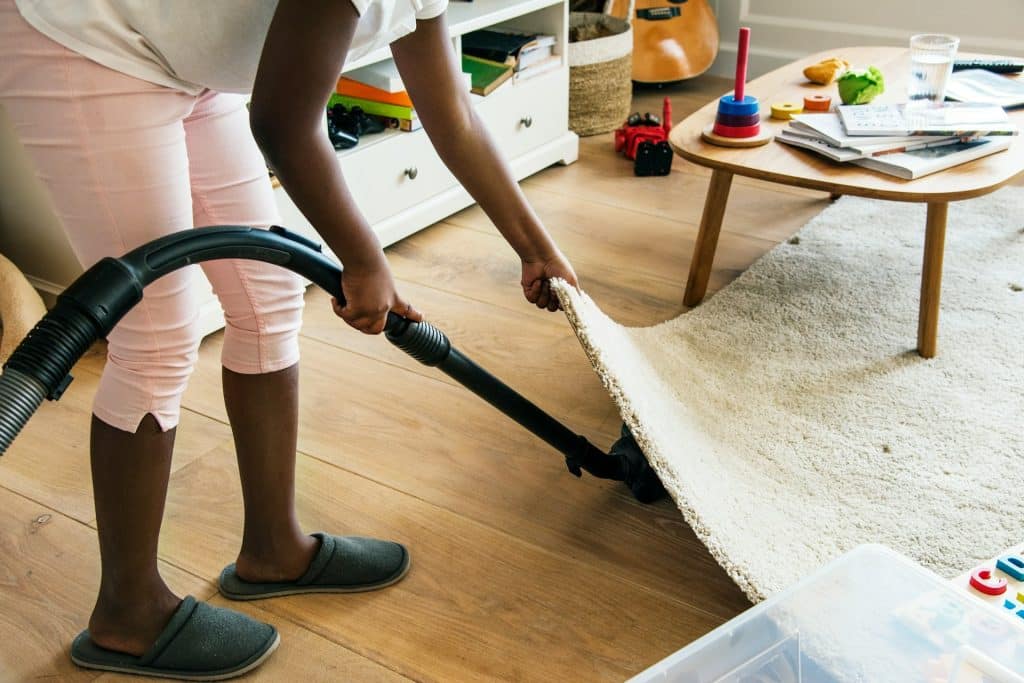
• Vacuuming carpets and rugs and mopping hard floors with suitable detergent
• Disinfecting eating areas, highchairs, tables and frequently used play surfaces
• Thoroughly cleaning toilets, urinals, basins and bathroom floors
• Emptying and relining all bins, including nappy and sanitary bins, and moving waste to the correct collection point
• Checking for trip hazards or broken items and removing them from use
Infant and toddler rooms need extra care because babies and under-twos explore with their mouths and have more contact with cots and change areas. Focus on:
• Wiping cots and cot rails daily, and changing linen as required
• Cleaning and disinfecting change mats between each use and at the end of the day
• Keeping bottle preparation areas clean, dry and clutter-free
• Handling soiled clothing and bedding in sealed bags and storing separately from clean items
A structured daily checklist supports compliance and staff accountability. When each room has a clear list and a simple sign-off, everyone knows what is expected, nothing is missed between shifts, and standards stay consistent across multiple rooms or services.
Weekly Deep Clean Tasks That Protect Children’s Health
Weekly or fortnightly deep cleaning targets the areas that daily routines cannot fully address. It helps control dust, allergens and hidden germ hotspots that can affect children with asthma or allergies.
Typical weekly tasks include:
• Washing dress-up clothes, cushion covers and soft toys according to care labels
• Cleaning under and behind furniture, shelves and storage units
• Wiping skirting boards, door frames, window sills and vents
• Descaling taps and checking for mould or grime around sinks and splashbacks
Outdoor areas deserve just as much attention. Plan time each week to:
• Clean around sandpits, checking for litter, animal contamination or sharp objects
• Disinfect outdoor play equipment where hands and mouths constantly land
• Wipe handrails, gates and outdoor tables
• Sweep entrances, ramps and paths to reduce slips and trips
Scheduled deep cleaning reduces build-up that can be hard to tackle later. It also picks up maintenance issues, such as cracked tiles or loose fixtures, before they become safety concerns. Many centres choose professional childcare cleaning in Lake Macquarie and Newcastle for the heavier tasks, such as large-scale floor scrubbing or full bathroom deep cleans, so educators are not stretched beyond their core work with children.
Building a Practical Cleaning Routine Your Team Will Follow
The best cleaning routine is the one your team actually follows. Room-specific checklists and wall charts make expectations clear and quick to reference, even for casual staff.
Helpful ideas include:
• Creating separate lists for opening, during-the-day and closing tasks in each room
• Using simple language and visual icons so everyone, including new staff, understands each step
• Keeping laminated copies near sinks, cleaning cupboards and staff areas
Rostering responsibilities fairly across shifts also matters. Some centres rotate “hygiene champion” roles each week, while others assign small daily tasks by name. Sign-off sheets or digital logs give you a record of what has been done, which helps with audits and shows patterns if issues appear.
Basic training ties it all together. Every educator should know:
• How to use PPE correctly for different tasks
• Safe chemical handling, including dilution, labelling and storage
• How to use colour-coded cloths and mops to prevent cross-contamination between bathrooms, kitchens and play areas
Commercial cleaners can support by looking after after-hours cleaning, supplying appropriate products and helping standardise procedures across multiple sites. For busy centres needing reliable childcare cleaning in Lake Macquarie, this partnership can relieve pressure on educators while still meeting hygiene expectations.
When to Call in Professional Childcare Cleaning Support
Even with strong internal routines, there are times when external help simply makes sense. Outbreaks of illness, upcoming audits, renovations or opening a new room can all stretch your team and require a higher level of cleaning.
Specialised commercial cleaners bring consistent quality, suitable products for childcare environments and detailed checklists that go beyond a basic office clean. Documented processes and regular reporting also support your compliance records and can be useful during assessments or when speaking with families about hygiene measures.
For centres across Newcastle, Maitland, Lake Macquarie and the Central Coast, the challenge is often balancing compliance, enrolment growth and limited staff time. Engaging a local commercial cleaning partner allows you to plan nightly cleaning, periodic deep cleans and maintenance support that fit your budget and timetable, while educators stay focused on programming and relationships with children and families.
Create Safer Childcare Spaces with Consistent Cleaning
Daily and weekly checklists turn cleaning from an occasional scramble into a predictable routine that protects children, educators and families. When everyone knows what needs doing, when it must be done and who is responsible, hygiene standards stay steady even on the busiest days.
Centre leaders can start by reviewing current routines, identifying any gaps and deciding which tasks should move from “when we remember” to “locked into the schedule”. From there, creating or refining your own checklists based on the ideas above will help your team work together confidently to keep every room, bathroom and outdoor space as safe and healthy as possible.
Protect Your Centre With Trusted, Professional Cleaning Support
If you are ready to lift hygiene standards and create a healthier environment for children and educators, our team at City and Regional Cleaning Services is here to help. Explore how our tailored childcare cleaning in Lake Macquarie can support your centre’s daily operations and compliance requirements. Tell us about your rooms, routines and priorities and we will recommend a cleaning schedule that actually fits how your service runs. To book a service or request a quote, simply contact us today.